
TITLE: Cos’è il Vibe Coding e perché cambierà il modo in cui usiamo l’Intelligen: TITLE: Cos’è il Vibe Coding e perché cambierà il modo in cui usiamo l’Intelligen
quick_comic_ip:81.56.24.180
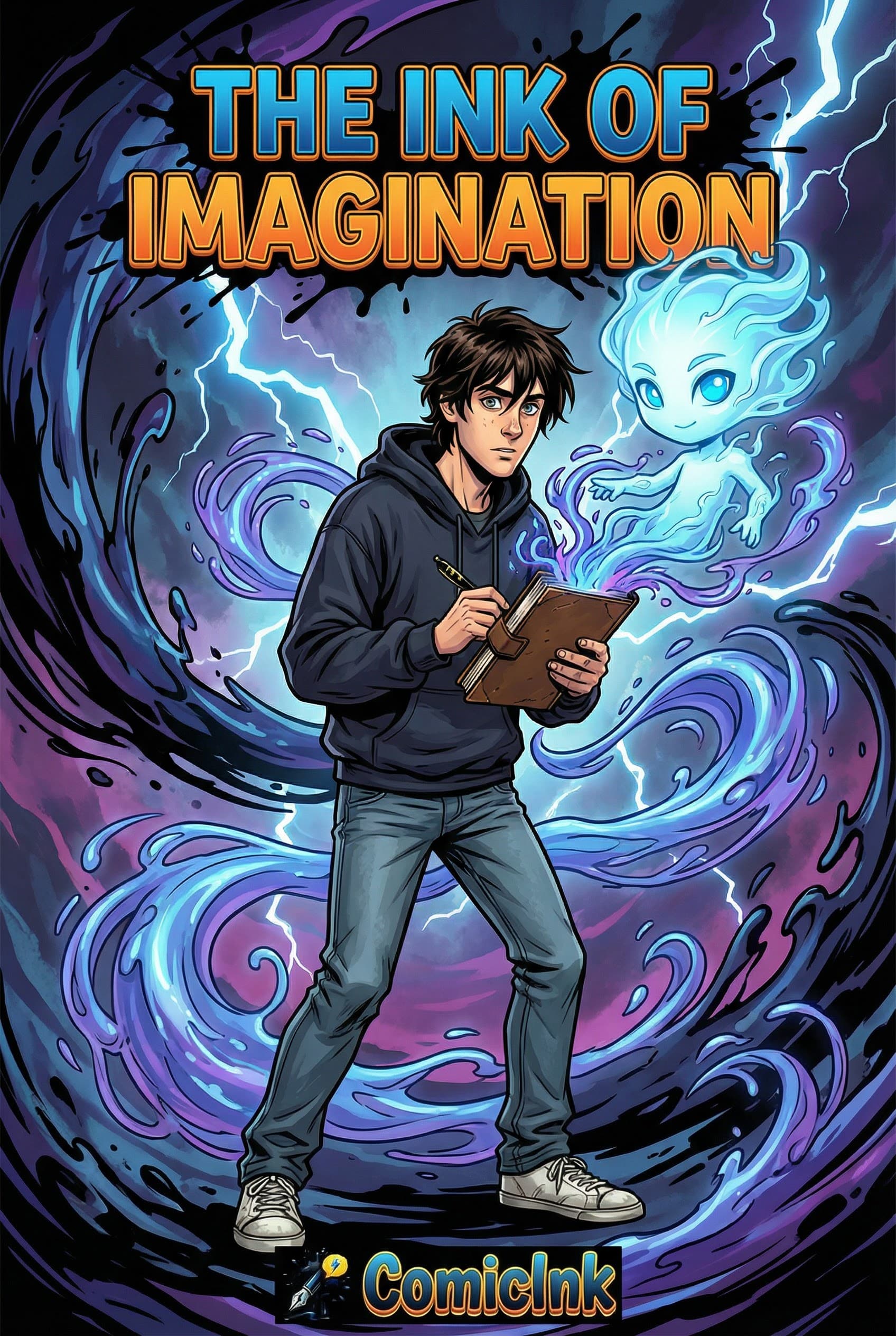
Gianluigi interviews Andrea about 'Vibe Coding' and AI's impact on software development. Andrea enthusiastically explains how AI tools enable rapid prototyping without extensive coding knowledge, acting as powerful facilitators rather than replacements. He emphasizes the importance of a strong 'forma mentis' in architecture and design to leverage AI effectively, briefly touching on the debate surrounding programmers' roles. Andrea showcases impressive time-saving examples, introducing the 'orchestrator' role for managing human teams and AI agents, while stressing the continued need for human experts in security, quality, and scaling. The discussion then moves to practical applications within a Comune office, where 'smanettoni' employees are using AI to create internal web apps, leading to a visionary glimpse of a future Public Administration coordinated by few humans and many AI agents. Gianluigi concludes, highlighting the network and AI as the new frontier of collaboration and innovation.
Characters
Gianluigi
supporting
Gianluigi is a friendly and curious interviewer, dressed in smart casual attire. He has short, neatly styled dark brown hair, warm brown eyes, and light olive skin. He typically wears a navy blue blazer over a light blue button-down shirt, paired with dark grey trousers. He often carries a small notepad and pen. His expression is thoughtful and engaged, often with a subtle, friendly smile.
Andrea
supporting
Andrea is an enthusiastic and confident tech innovator. He has slightly messy, medium-length light brown hair, bright blue eyes that often sparkle with excitement, and fair skin. He wears a casual tech outfit consisting of a stylish graphic t-shirt (with a subtle, abstract tech pattern), dark wash jeans, and modern, clean white sneakers. He has an eager expression, often leaning forward slightly and using animated hand gestures to emphasize his points. He sometimes wears a light, unzipped hoodie.
Page 1
Panel 1: Wide shot of a simple, modern office. Gianluigi, dressed smart casual, sits opposite Andrea, who is in a casual tech outfit. They are at a sleek, minimalist table. A microphone is between them. Andrea leans forward slightly, an eager expression on his face.
“GIANLUIGI: Andrea, thank you for joining me. Today, we're talking about 'Vibe Coding' and how AI is transforming our approach to intelligence. Can you explain, in simple words, what AI coding is and why it excites you so much?”
Panel 2: Close-up on Andrea, his eyes sparkling with enthusiasm. He gestures with one hand, a wide smile on his face.
“ANDREA: Gianluigi, it's revolutionary! For me, AI coding means turning an idea into a working prototype—fast. I'm talking days, sometimes hours!”
Panel 3: Andrea continues, a thought bubble or infographic subtly appearing behind him showing simplified icons for 'Frontend,' 'Backend,' and 'Database,' all interconnected by AI.
“ANDREA: No more getting bogged down writing every single line of code, or needing to be an expert in every single frontend, backend, or database language. The AI bridges those gaps for you.”
Panel 4: Gianluigi nods thoughtfully, taking a note on a small pad. He looks impressed but still has a question in his eyes.
“GIANLUIGI: So, it accelerates the process, allowing for quicker iteration?”
Panel 5: Andrea beams, leaning back slightly, confident in his explanation.
“ANDREA: Exactly! It’s about accelerating from concept to tangible reality, empowering more people to build.”
Page 2
Panel 1: Andrea is now at his laptop in a slightly different, more tech-oriented corner of the office. His screen shows lines of code rapidly appearing, mixed with natural language prompts he's typing. A subtle glowing effect around the screen suggests AI activity.
“ANDREA: (Narrating, voice-over) See? I'm talking to the AI, describing what I need, and it's generating the structure, the logic.”
Panel 2: Andrea turns his head slightly from the laptop, addressing an unseen Gianluigi (or the reader). He holds up a finger to emphasize a point.
“ANDREA: But here's the critical part: AI is a powerful facilitator, not a full replacement. It augments our capabilities.”
Panel 3: Close-up on Andrea, looking earnest. A thought bubble behind his head illustrates a well-organized blueprint with sections for 'Architecture,' 'Databases,' and 'Components' clearly labeled.
“ANDREA: To truly harness these tools, you still need a good 'forma mentis'—a foundational understanding of architecture, databases, components. That's where human intelligence remains indispensable.”
Panel 4: Andrea gestures broadly, looking contemplative. The background is slightly blurred, focusing on his pensive expression.
“ANDREA: Of course, there's a big debate: will we need more programmers, or fewer but augmented by AI? My view? The latter, but with a shift in roles.”
Panel 5: A split panel showing two scenarios: LEFT: A single programmer, looking calm and productive, surrounded by several small, glowing AI 'agents' (represented as abstract data forms). RIGHT: A much larger group of traditional programmers, looking slightly overwhelmed with lines of code.
“ANDREA: (Voice-over) It's about empowering efficiency, not eliminating creativity.”
Page 3
Panel 1: Andrea stands in front of a large display screen, proudly showing a sleek, functional web application prototype. Gianluigi stands beside him, impressed. The screen prominently displays the app's title: 'Project Aurora Dashboard'.
“ANDREA: Look at this! A fully functional web app prototype, complete with user authentication and data visualization. And this report generator? Ready to go.”
Panel 2: A dynamic infographic on the screen, split into two columns. LEFT column: 'YESTERDAY: 12 MONTHS' with an image of a team of developers looking exhausted. RIGHT column: 'TODAY: 7 DAYS' with an image of Andrea calmly prompting an AI.
“ANDREA: Yesterday, building something like this from scratch, with all the moving parts, would take a team a year. Today? Seven days. With one person and AI.”
Panel 3: Andrea turns to Gianluigi, looking thoughtful. He draws an invisible diagram in the air with his hands. Behind him, a conceptual image of a human conductor leading an orchestra of diverse AI bots and human specialists appears.
“ANDREA: This shift introduces a new, crucial role: the 'orchestrator.' Someone who coordinates human teams and AI agents, ensuring they work in harmony towards a common goal.”
Panel 4: Close-up on Andrea, his expression serious. He points to three distinct icons on the screen: a padlock (security), a magnifying glass (quality), and an upward-trending arrow (scaling).
“ANDREA: But make no mistake, human experts are still absolutely vital. For security, for quality assurance, for scaling complex systems... AI assists, but the ultimate responsibility and deep insight remain with us.”
Panel 5: Gianluigi nods, processing the information. He looks at Andrea with renewed understanding and respect.
“GIANLUIGI: So, it's about intelligent collaboration, not full automation.”
Page 4
Panel 1: Transition to a bustling, slightly older, but functional office within a 'Comune' (municipality). Several employees, looking like typical 'smanettoni' (tech enthusiasts), are engrossed in their computers, some with dual monitors showing simple web interfaces and data. Files are stacked, but there's an air of focused, practical problem-solving.
“ANDREA: (Voice-over, enthusiastic) And this isn't just for big tech firms! Imagine a Comune office...”
Panel 2: Close-up on a middle-aged 'smanettone' employee, a woman with a triumphant smile, pointing at her screen. It displays a simple web app interface that clearly helps organize a messy pile of digital documents shown on the other half of her screen.
“EMPLOYEE: Finally, a way to track all these permits! I built this little app in an afternoon, thanks to AI. No more lost forms!”
Panel 3: Gianluigi and Andrea are now observing this scene, perhaps through a glass wall or on a simulated screen. Gianluigi looks genuinely impressed, a smile spreading across his face.
“GIANLUIGI: Incredible. Empowering individual employees to solve their own process issues.”
Panel 4: A visionary, futuristic panel. A sleek, minimalist Public Administration control room. Only a few calm, focused individuals sit at elegant holographic interfaces, gracefully overseeing a vast, interconnected network of glowing AI agents and robotic bots (represented abstractly as data streams and digital figures) working seamlessly in the background. The feeling is one of effortless efficiency.
“ANDREA: (Voice-over, visionary) Exactly! Imagine a future PA where just a few highly skilled people coordinate hundreds, thousands of AI agents and bots, optimizing every public service.”
Panel 5: Back to Gianluigi, now looking directly at the reader, a warm, inviting smile on his face. The background is a clean, neutral tone, emphasizing his direct address.
“GIANLUIGI: A powerful vision, Andrea. It's clear that collaboration and innovation now pass through the network and AI. For more insights into this exciting world, ci vediamo online!”