AI Character Generator
ComicInk characters are not one-off portraits. Define a character once — look, role, alternate outfits, even a speaking voice — and they are carried through every panel of your comic and every scene of your video.
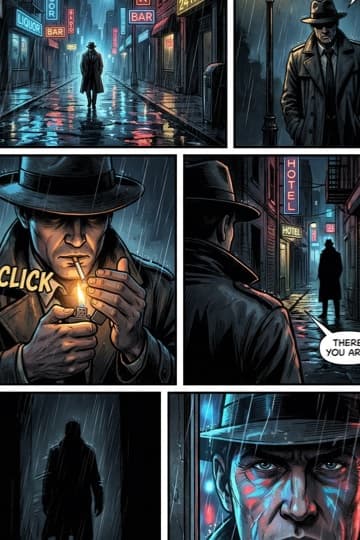
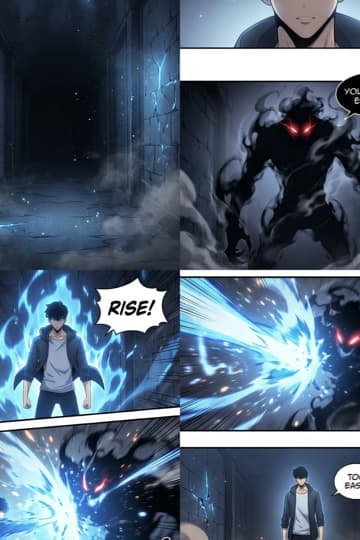
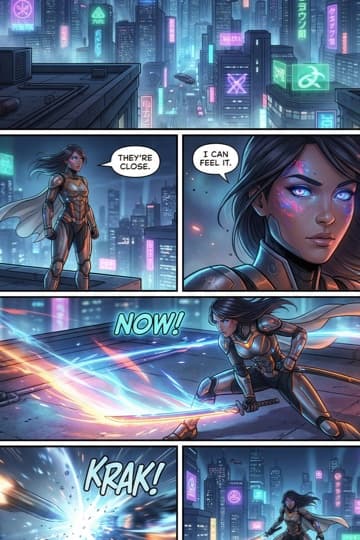
Why a comic needs more than an image generator
Any AI tool can draw you a character once. The hard part is the second page, and the fortieth: keeping the same face, the same build and the same costume while the camera angle, lighting and action all change. That is what this is built for.
Consistent from page one to page forty
Each character carries a reference image into every panel they appear in. That is what keeps a face recognisably the same across a multi-page story instead of drifting into a different person.
12 art styles
Manga, American comics, European bande dessinée, manhwa, noir, watercolour, cartoon, realistic, digital art, vintage, chibi and pixel art. Your whole cast is drawn in the style you pick.
Alternate looks
One character can hold several looks — a civilian outfit and a costume, armour and everyday clothes, before and after. Pick which look appears in a given panel without redefining the character.
Voices for video
Turning a story into a video? Give each cast member a described voice — pitch, age, pace, timbre — and a narrator besides. The same character sounds like themselves across every scene.
Props and assets too
A sword, a scoreboard, a spaceship, a logo. Objects that must look the same every time they appear get defined once, like a character, and referenced by name in a panel.
A cast, not a folder of pictures
Characters belong to a series, so the same cast is available to every issue you write. Name them in a panel description and they are drawn into it.
How characters work
Three steps from an idea to a cast that holds together across a whole book.
Describe them
Name, role, age, build and a sentence or two of description. Write the cast yourself, or let ComicInk work it out from your story and edit what it proposes.
Generate their art
Each character is drawn in your chosen style, at 10 credits an image. Not happy? Adjust the description and regenerate — no prompt engineering required.
Write them into pages
Name a character in a panel and they are drawn into it, carrying their reference art so they stay themselves from the first page to the last.
Frequently asked questions
What does it cost?+
A free account, with no card asked for, starts you at 100 credits. A character image costs 10 credits and a comic page costs 50. Defining and editing characters in text is free — credits are only spent on generating art.
Can I make a character on its own, without a comic?+
Characters live inside a comic or a video, because that is what keeps them consistent — a character is defined once and referenced by every page. There is no standalone portrait generator.
Will the character really look the same on every page?+
That is the whole design. Every panel a character appears in carries their reference image, which is what a single-image tool cannot do. Angle, lighting and action change; the character does not.
Can I change a character after pages are drawn?+
Yes. Edit the description and regenerate their art. Pages you have already drawn keep their art until you choose to regenerate them, so an edit never silently rewrites your comic.
How do voices work?+
For Story Videos, each cast member can carry a described voice — apparent gender, age, pitch, pace and timbre — plus a separate narrator voice. Narration is then spoken in that voice across every scene.
Can I use the characters commercially?+
Yes. Characters and comics you create are yours to use however you like. ComicInk claims no ownership of your output.
Ready to build your cast?
Start a comic and define your characters inside it. A free account and 100 credits get you going.